
While I might not be gazing out onto the same exact water as my relatives were, it is a practice and a ritual that ties us together and connects our generations.
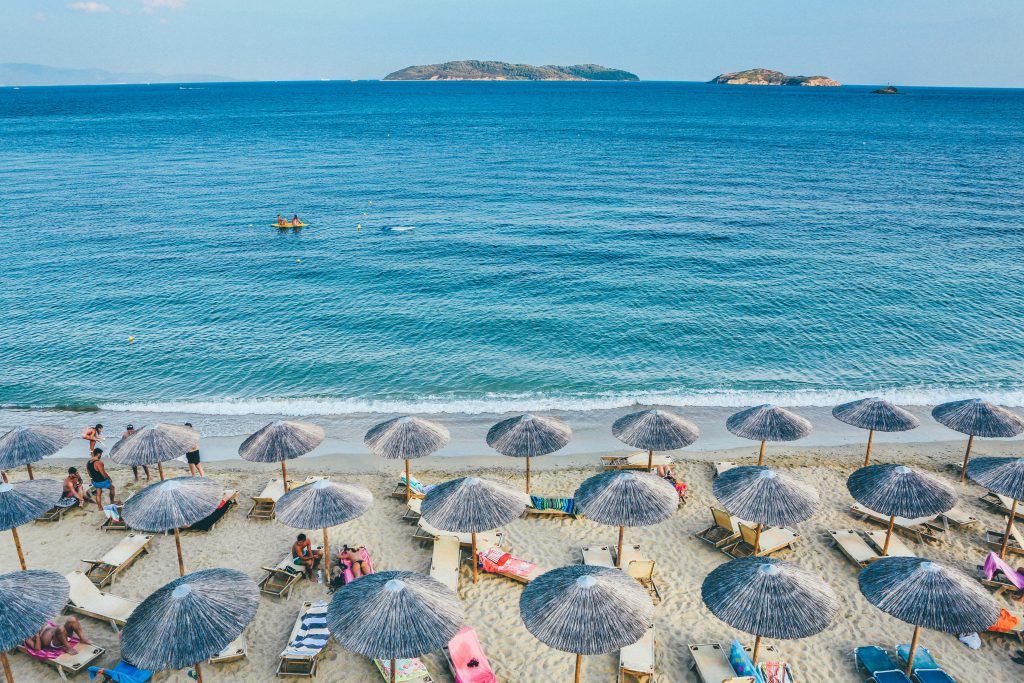
Picture this: you’ve spent the better part of your day along the sunny coastline. Your skin is lightly sun-kissed, and your hair has been tousled by the wind and the sea. You feel the warm rays on your body and the mix of sand, gravel, tiny mosaic shells, or warm rock beneath your feet. Perfectly tired, and deliciously relaxed, you look out onto the water, sparkling as it dances and you listen to the sounds surrounding you. You hear people laughing and talking, maybe some distant music, the splashes and lull of the water or the waves, the birds, the wind….
You know the feeling. There is nothing like the healing power of water. The Italians have it right with how they do summer and sea-life living! Blue spaces aren’t just for vacation, and you don’t have to live along the ocean to experience it. Spending more time near water has had such a positive impact on my life and my mood. Read on to find tips on how you, too, can add more blue spaces to your daily life and enjoy one of the key benefits of a more Mediterranean-Inspired lifestyle.
What are considered Blue Spaces?
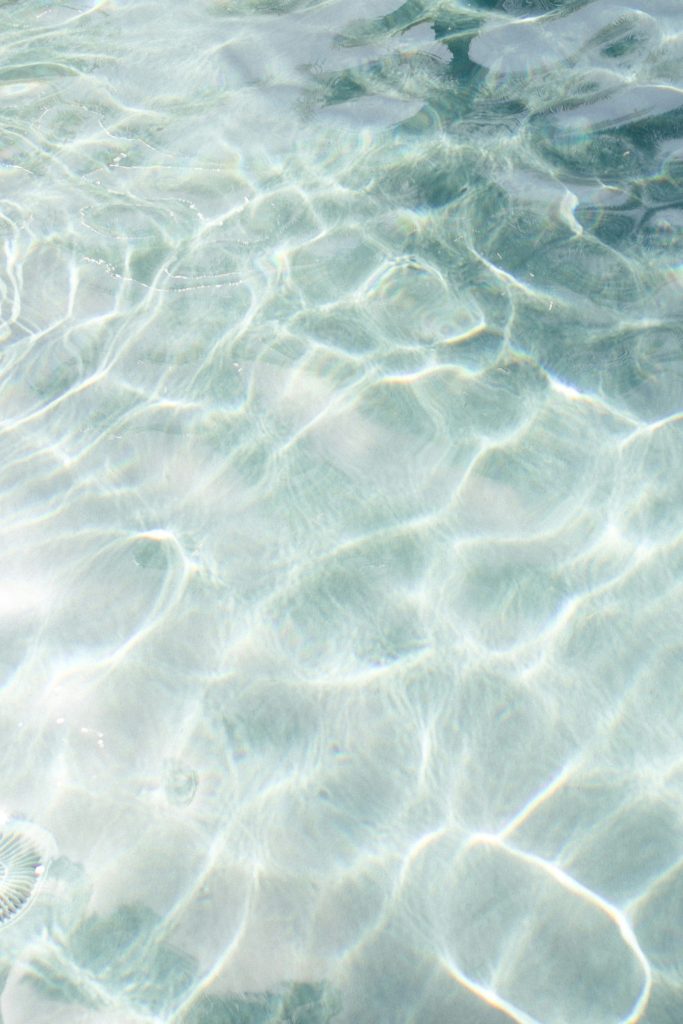
Blue spaces are any spaces with water. These can be as big as the ocean or as small as a pool or fountain. Just like green spaces, blue spaces have positive effects on our mental health and physical well-being. Even just being near water has the power to uplift, calm, or reset our moods.
Some examples of Blue Spaces
-Oceans and coastlines
-Rivers and lakes
-Creeks and streams
-Waterfalls
-Harbors, ports, piers
-Pools and fountains
How Mediterranean are Blue Spaces?
So Mediterranean! While the landscapes vary depending on where you are in the Mediterranean, and each different country/area has their own unique offerings, water is the first thing I think of when I think about the cities where my great grandparents are from in Southern Italy. The biggest thing they have in common is their proximity and connection to the sea.
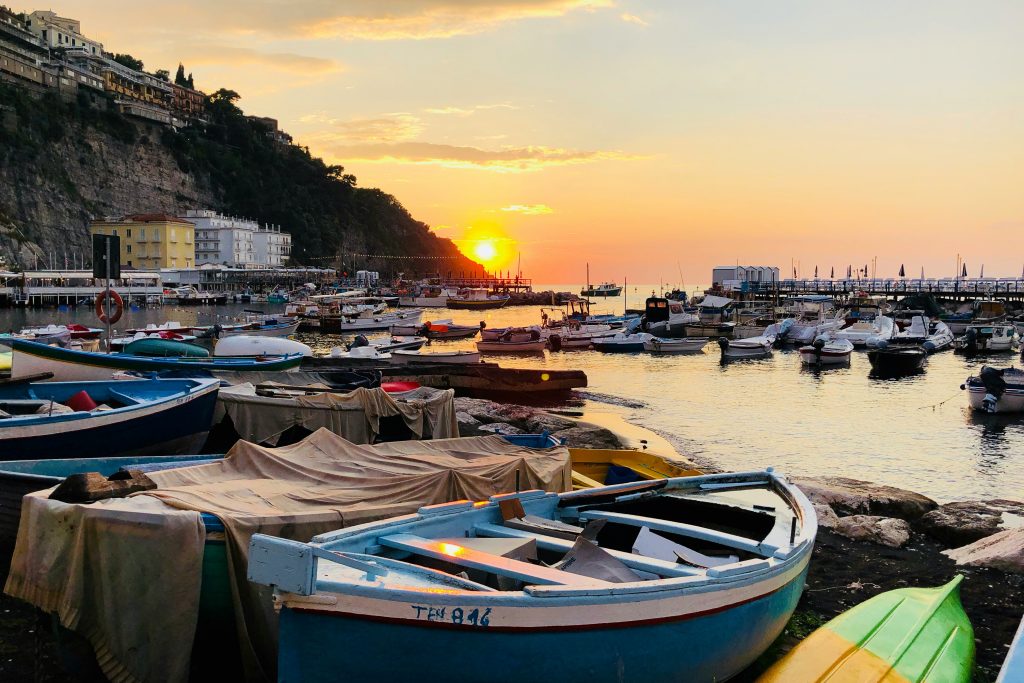
I remember growing up and hearing so many family stories about the opposite coastlines my relatives came from: one side from Puglia, on the southeast coast, the heel of the boot and one of the largest ports and coastal cities in Southern Italy, along with Naples, the other largest port city, where my other two grandparents’ were from in Naples and Sorrento.
I was told about how all the buildings were so white in Bari, and in Sorrento, how there was so much marble and tile, and sea for miles. While I might not be gazing out onto the same exact water as my relatives were, it is a practice and a ritual that ties us together and connects our generations.
Water is synonymous with Mediterranean living and played a major role in food, jobs, trade routes, travel, and leisure. From the ancient baths in Greece, Rome, and Egypt, to community pools and fountains in today’s city parks all over the world, It is no surprise these places attracted gatherings of people– and still do today.
Benefits of Blue Space Therapy
I have tested this out myself on a variety of occasions, with the freshest in my head being this past summer. You know the days where you just feel in a “off” and in a kind of cranky mood? You don’t even know why you feel crummy, but you just do. Well, I have had a handful of those days this summer and I have sometimes had to force myself to go to the pool. Some days just felt like a wash and I wasn’t productive, I wasn’t feeling good, I was just sitting in this negative state. So, I figured, if I can’t do anything else or if today just feels weird, then at the very least, I can get some movement in the water and get out of my head, maybe socialize, and get some sunshine.
It turned my mood around every.single.time. Now, I don’t know if it was the exercise in the fresh air, being around some other people and the social feeling (even if not chatting), the actual water therapy itself, being in nature, or just changing up the routine to slice through the day, but it was probably a mixture of all of it.
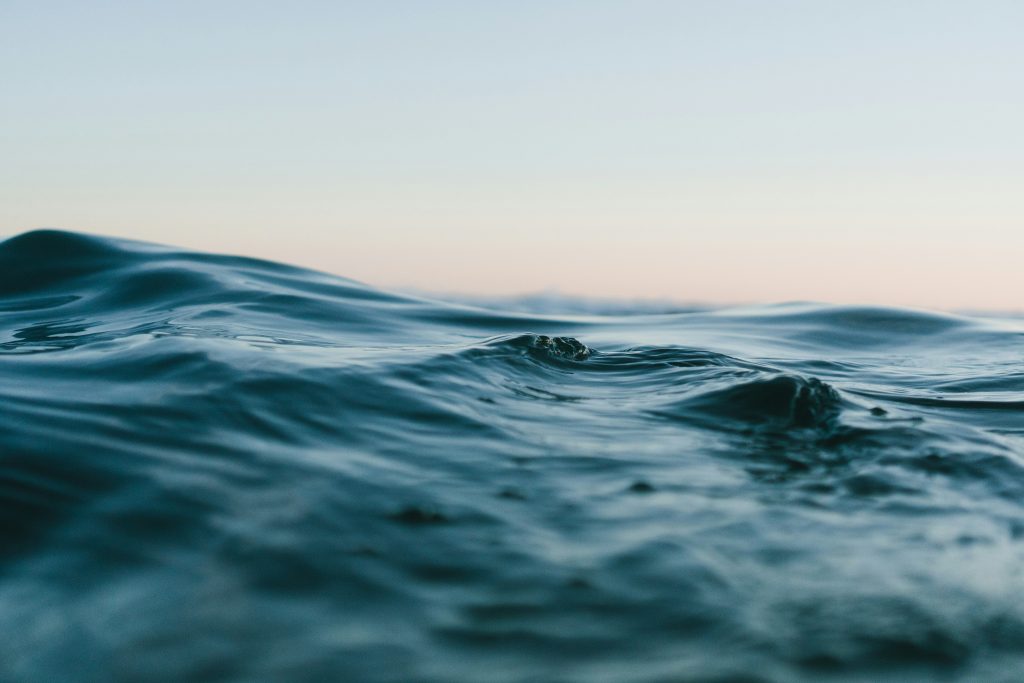
We know the benefits of listening to ocean waves and water sounds for anxiety reduction and for better sleep, and studies have shown that simply looking at water can reduce blood pressure, heart rate and cortisol levels. It also raises our creative abilities, can help to lift a lower vibration mood, and helps heal mental fatigue, opening up space so our minds don’t feel so crowded and we can make room for other things that are important to us.
Knowing this, I don’t think it’s a coincidence that many people plan their annual vacations or time off around a body of water of some kind. There are even organizations that participate in what is called “Blue Prescribing,” as part of mental health and well being initiatives.
Spending Time in Blue Spaces can…
-Reduce stress and make you feel calm
-Boost mood and energy levels
-Give you a sense of awe and something bigger than yourself
-Connect you to nature
-Be a social activity and can create community
-Inspire exercise and enjoyable movement
-Clear your head and separate elements of the day
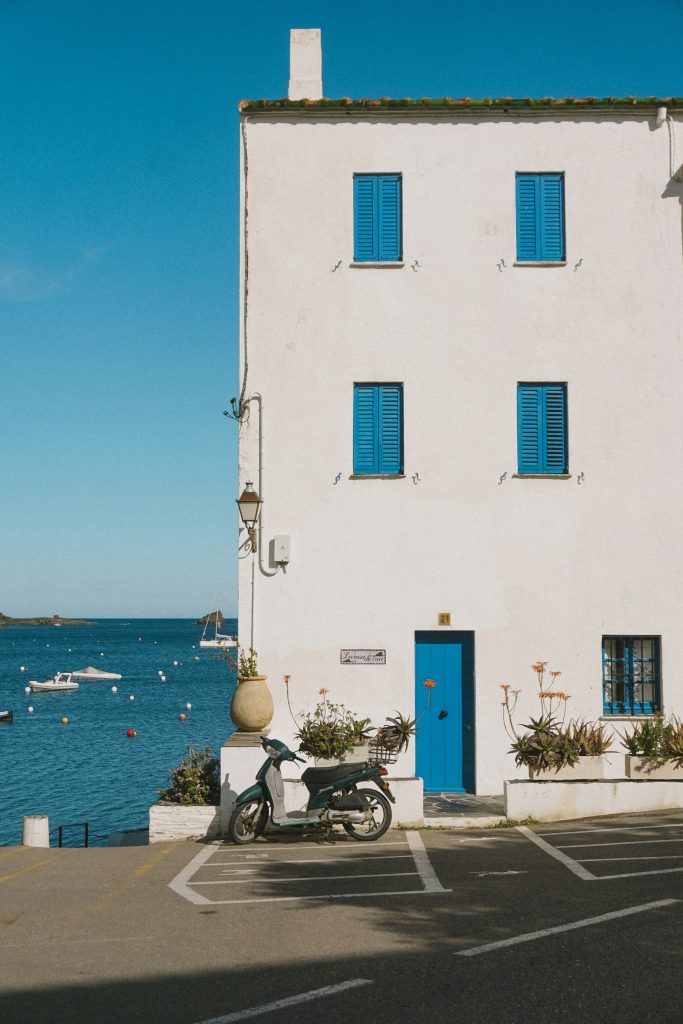
Getting More Blue Spaces Into Your Life
Naturally, the closer you live to bodies of water, the easiest this will be to achieve. I live about an hour from the ocean and the coastline and anywhere from a 10 minute to 20 minute drive to smaller lakes or rivers. This makes it really easy for us to drive down to the beach for even just a few hours, grab breakfast, eat it on the sand, get our fix, and be back home a few hours later. But this wasn’t always the case.
For many years, the closest body of water was a decent-sized creek about 10 minutes from my house at the time. I would drive there many days after school or work to spend time either by myself or with friends and family. It just takes some thought to get creative with how you can find these spots near you, and how you can realistically add them into your life. It doesn’t have to be complicated. Don’t underestimate the power of smaller bodies of water, too. You don’t have to be near the ocean on some beautiful coast to reap the amazing benefits of Blue Space Therapy.
Where to Start?
A good place to begin is to think about where you live and what bodies of water and blue spaces are near you. Maybe you can start with eating lunch by the park fountain on a sunny day, or driving a different route on the way home to pass a park that has a body of water where you could take a walk, or, maybe you live near a pier or dock and can meet with a friend for a coffee or a picnic.
Some other ideas could be to join a volunteer waterway clean up, or take up a water activity like paddle boarding or kayaking. And in summer there are so many options! I think people sometimes forget about the power of the good old-fashioned swimming pool. Another tip for when you travel, if your hotel offers beachfront or water-view rooms, I highly recommend splurging. Its not usually that much more expensive and there is something magical about waking up to see a sunrise over the water. It’s a real treat and a small luxury that can make that experience even more special and memorable.
I know it can seem unnecessary or like another added chore, but finding some time in blue spaces might be the perfect way to slow down and bring a bit more presence into your life. Why should you miss out if you don’t live near the sea? Why wait until your next vacation? Enjoy the water around the corner.
Photos via Unsplash: 1 by Nick Karvounis; 2 by Marissa Rodriguez; 3 by Nick Fewings; 4 by Matt Hardy; 5 by Valentina Uribe Posada



I think you’re onto something here! Being around water really does appear to be good for us in so many ways – especially when combined with ample sunshine! 🌞
I’ve definitely felt this among bodies of water- taking an Uber along Kelly Drive one day and looking out at the water, even though I felt cranky and down and it was dreary, there was something so calming about seeing it that day.
It’s interesting about the white buildings in southern Italy because when I was in southern Spain I was told the Moors (North African Arabs-Berbers) influenced the painting of white buildings.