From lively Cumbia music and coconut cream to an experience paying homage to the Arhuaco People of Colombia, Mi Cumbia offers it all.
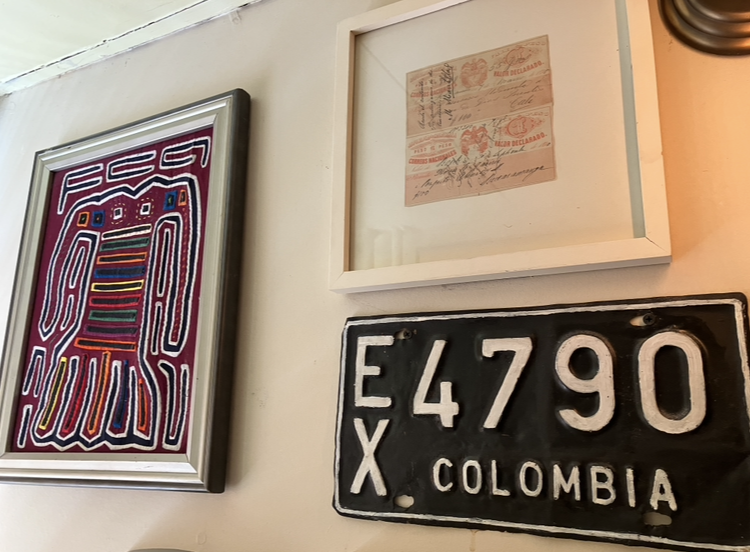
When Karina Restretto was a child, she spent months with her grandmother, Rosa Paulina, in Dibulla, an area at the base of the Sierra Nevada de la Marta mountains, on the northern coast of Colombia. Dibulla is a magical place where multiple seasons and climate zones dance all at once, coconuts grow abundantly, and where Karina spent her days swimming between the warm Caribbean salt water and the cold, refreshing sweet water that flowed from the river. When her skin became ashy from the sun and sea, Rosa used a machete to cut down a fresh coconut, mixed it the shredded pieces of the fruit with beach sand, and created a nourishing skin salve. This memory inspired the Cumbia de Coco treatment at Mi Cumbia.
Using botanicals to heal and soothe everyday ailments was nothing new for Karina; her grandmother came from a long line of curanderas, after all.
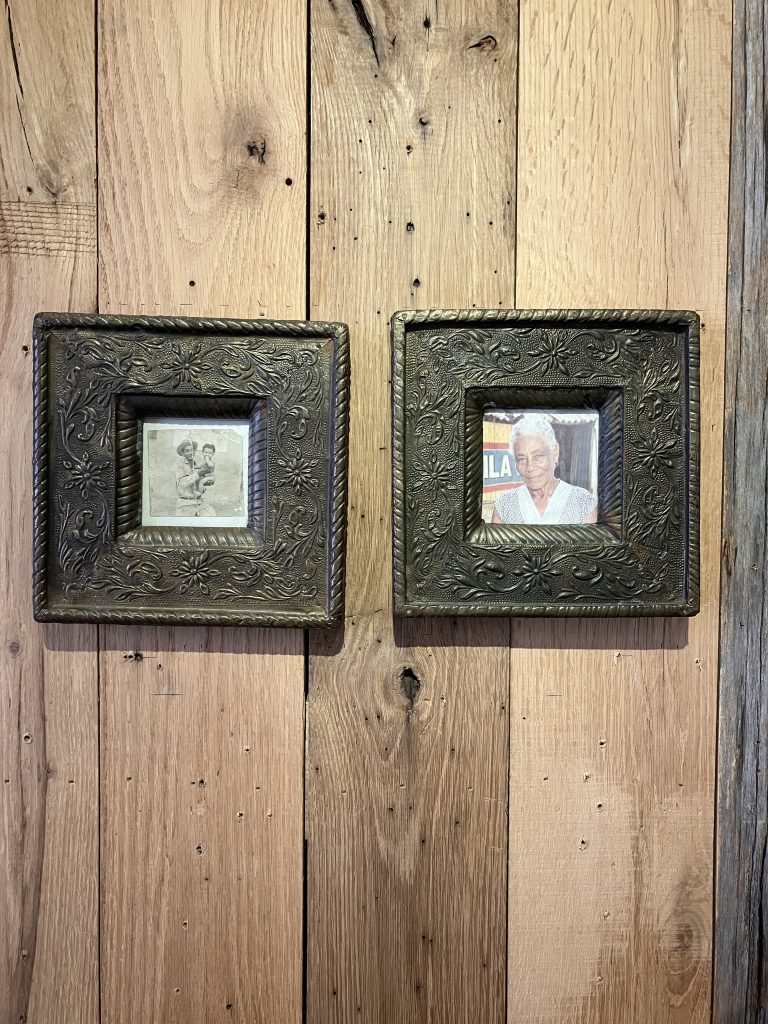
Top right, Rosa Paulina, Karina’s grandmother.
Cuanderas (and cuanderos), Latin American healers with deep indigenous, African, and Spanish roots, use plants as medicine. They act as anchors to Indigenous culture and traditions, and history keepers for their communities. Mi Cumbia is an organic, nontoxic, salon with treatments that are inspired by Indigenous recipes, like the one named after Karina’s grandmother, the Rosa Paulina Manicure: “Rosa Paulina’s coconut grove sat on the ocean in Dibulla, Colombia — the coconut oil is infused with lime peel and melted on warm stone as the Limonada de Coco, the coconut cream is frozen with sand inside, and the warm oil is massaged from elbow to fingertip in the tradition of the Caribbean coast.”
Madre de Cacao infused mango butter, calendula, Agua Madre, Guajira desert clay, lemongrass, soursop, guava leaf, lime peel are some of the ingredients peppered across the spa menu.
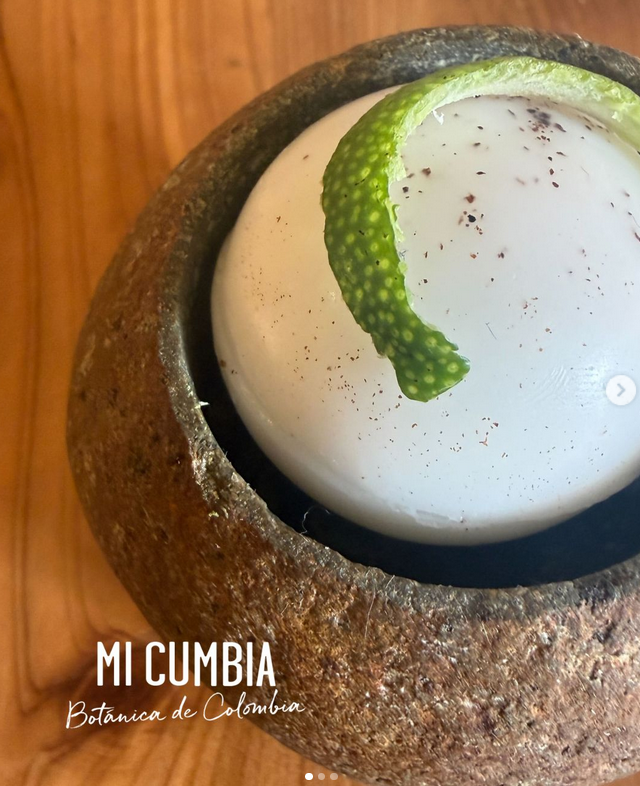
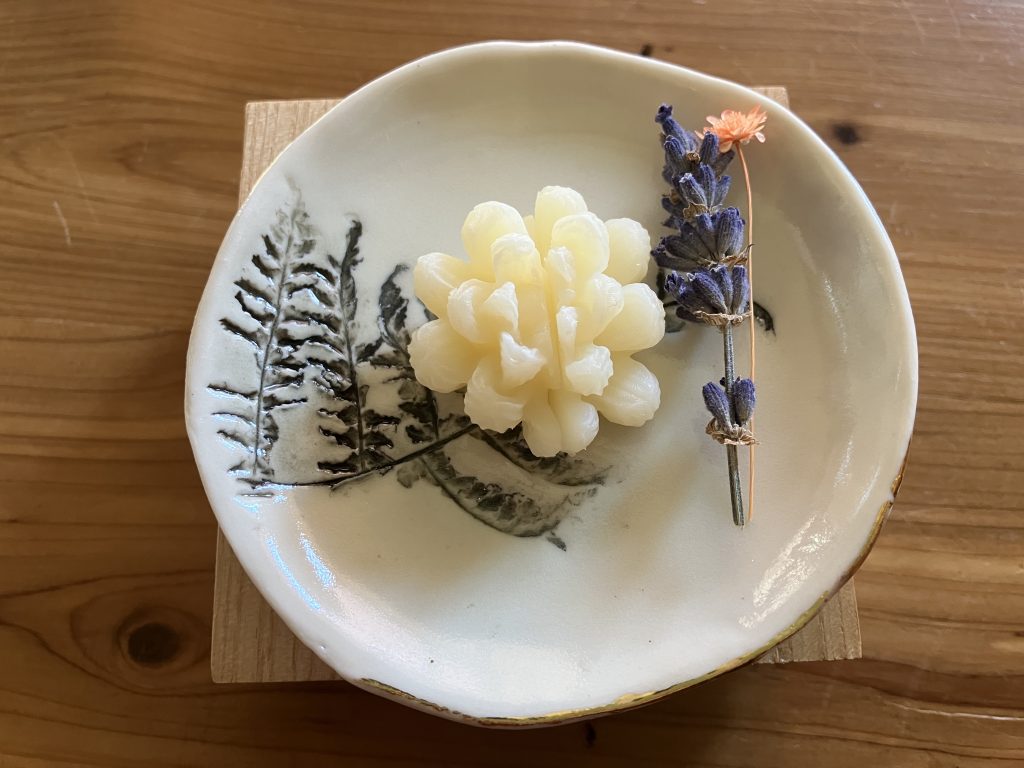
“Warm coconut oil. Coconut husk. Frozen coconut cream. Coconut milk soak. Lime zest. Beach sand. Each one chosen to soften, restore, and deeply care for skin.” –Mi Cumbia Bontanica de Colombia
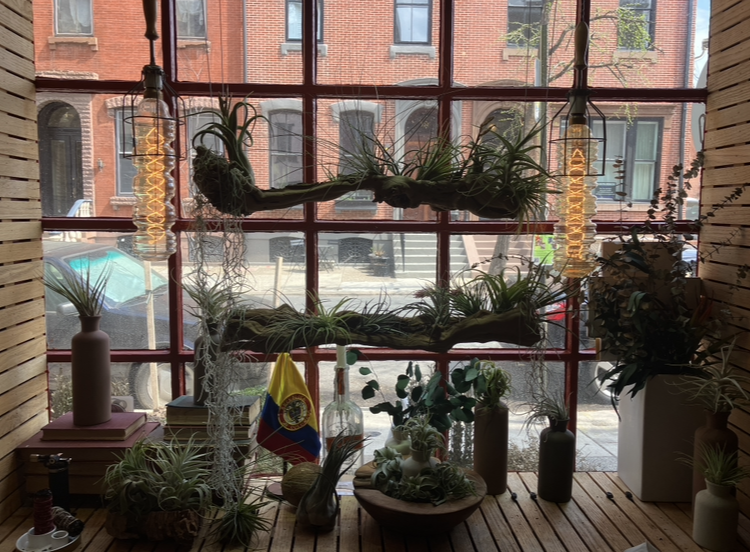
Upon entering Mi Cumbia, I immediately felt an energy shift; Cumbia (a blend of Indigenous, African, and European) music played in hidden speakers, the sun poured in between plant leaves in the front window, and I could smell the lingering hints of a recently smudged Palo Santo. The walls were decorated with burlap Colombian coffee bean bags and decoupaged pages of old-world history books that Justin, Karina’s husband and co-owner of the spa, found in a box of books being thrown away on a Philly street.
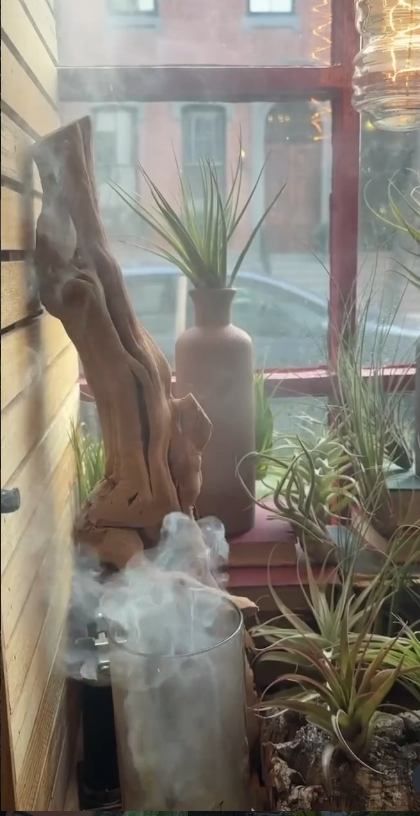
“An olfactory journey through the tropical dry forests of Latin America. Palo santo transforms our space into sanctuary, releasing aromatic, purifying, and restorative properties.” –Mi Cumbia de Colombia
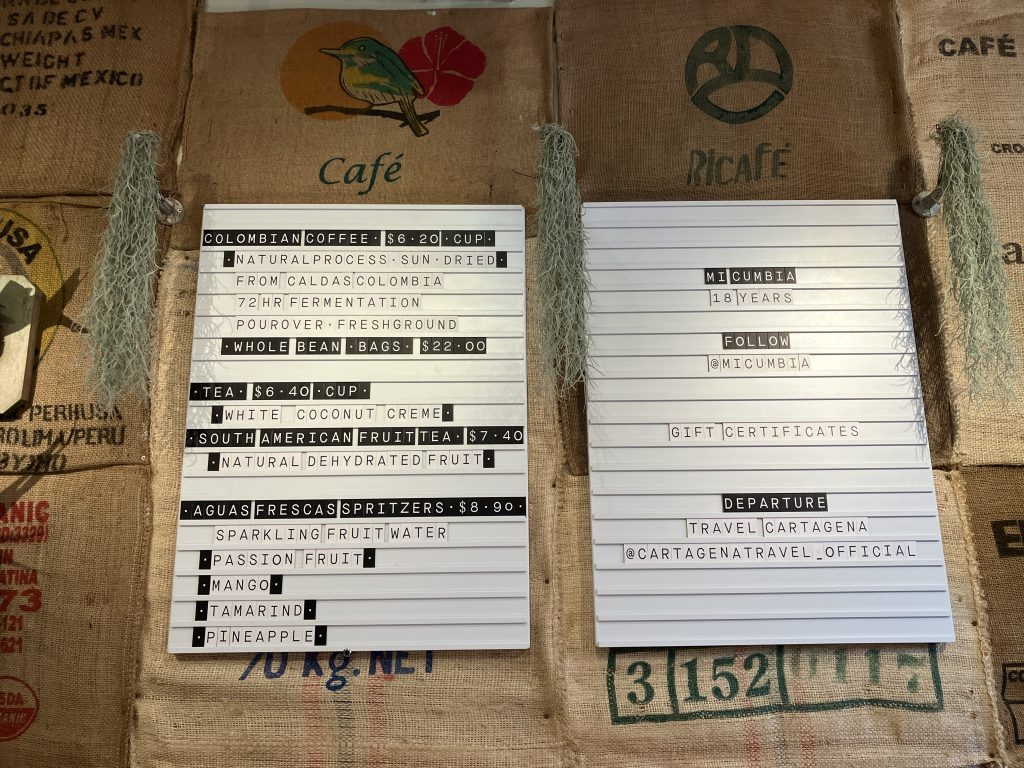
I was seated at a wooden table with my forearms placed over towels and rolled up burlap sacks. My hands were dipped in warm coconut milk and I was asked if I wanted a neck warmer. I noticed a menu of coffee, coconut cream tea and a variety of fruit sparkling water on the wall and since it was an unseasonably warm spring day, I opted for a refreshing mango fresca in lieu of the heating pad. The drink came out in a glass with a chic round ice cube and a dehydrated lime.
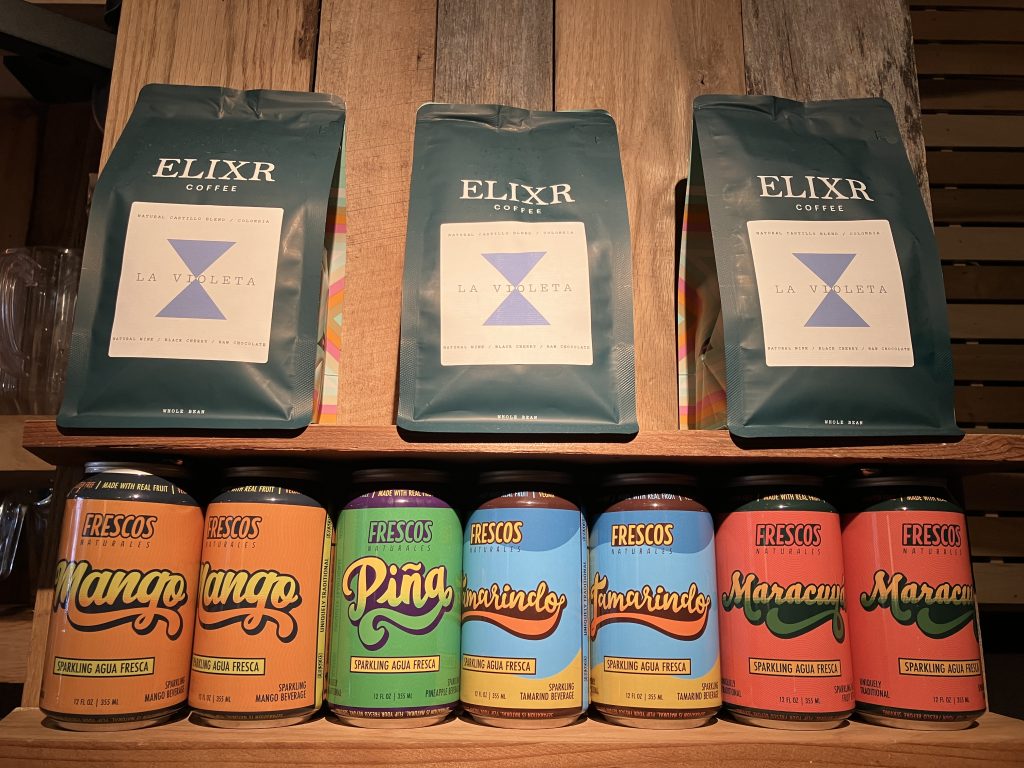
Coffee and refreshing drinks you can enjoy while at the spa.
Everything in Mi Cumbia has been touched and chosen with intention. The lighting is warm and relaxing, not the fluorescent and bright lights in the typical spots I’ve gotten manicures and pedicures before. The wooden furniture and plants scattered about make the space feel warm, inviting, and authentic to the organic and natural services they provide.
A wooden sliding door opened to another room where the pedicures take place. Only two chairs at a time allow for an intimate setting. The music changed in this room, and the lights got dimmer. A large chair sitting on a pedestal swiveled around and I was invited to sit and offered a pillow to hold.
I don’t know if it was because the room was so quiet and dark or the tempo of the music dropped from the energetic and lively songs I heard in the main room, but I felt like I was transported somewhere else. It was meditative and nearly spiritual. I mentioned this to Justin when we met later and it made perfect sense. He told me that the darker setting with very dim lighting, the scents in the room, and music, was intentional and chosen to emulate a common ritual or ceremonial experience of the Arhuaco people, and Indigenous group in Colombia that he had gotten to know and learn from while living among their community over the years. “We said, let’s create a space where someone can have a unique experience….and leave with their nails painted,” Justin told me, the nails are almost secondary.
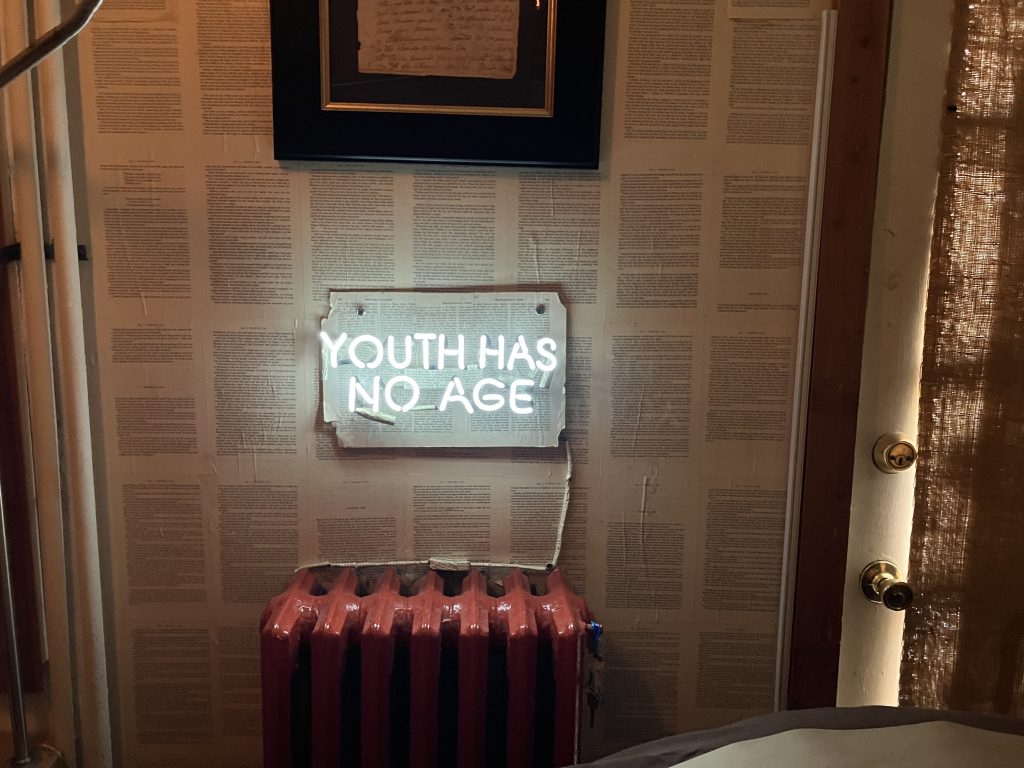
Much more than a nail salon or spa, it’s a social club where people gather, remember your name and where you are folded into the Mi Cumbia family. It’s a place where reverence and respect are paid to the sacredness of the natural world and to Indigenous people and their practices; keeping the thread of connection to those traditions alive and revived in a different city, at a different time.
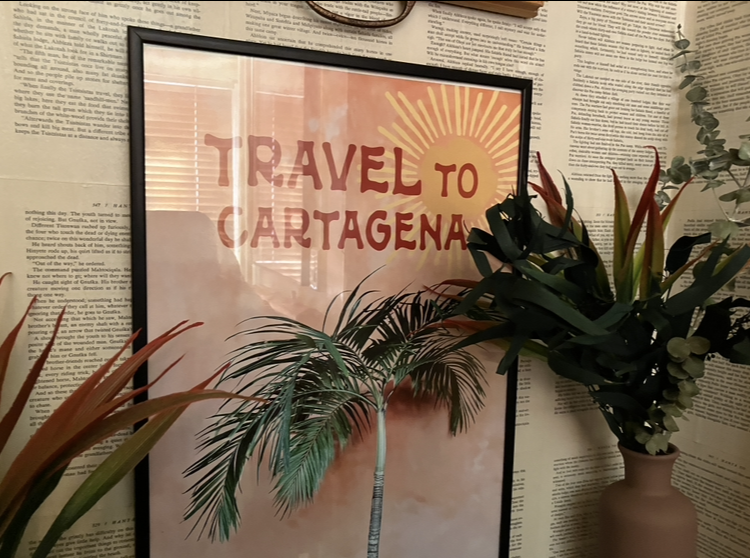
Mi Cumbia explores the diverse ecosystems and microclimates of Colombia and its cultures, incorporating them into services. If Cuanderas serve as cultural anchors for their villages; similarly, Mi Cumbia is a port, creating space for community and to learn about aspects of ancient rituals, remedies, and to educate about the Colombian Indigenous culture.
Karina and Justin fly to Colombia every couple of months where they also have a coffee and agriculture farm, and for the connoisseurs reading this, their coffee is natural process, sun-dried, from Caldas, Colombia and is sold fresh ground or in whole bean bags. If you are looking to explore Colombia and its history a bit deeper, the couple run a boutique travel business called Travel Cartagena, where they help plan bespoke and intimate trips to Colombia.